


Explore the published works of M. Allshouse
Step into worlds where the human heart’s complexities unfold. Discover gothic psychological fiction, dark romance, and poetry that delve into uncomfortable truths and profound emotions.
Stories in uncomfortable places
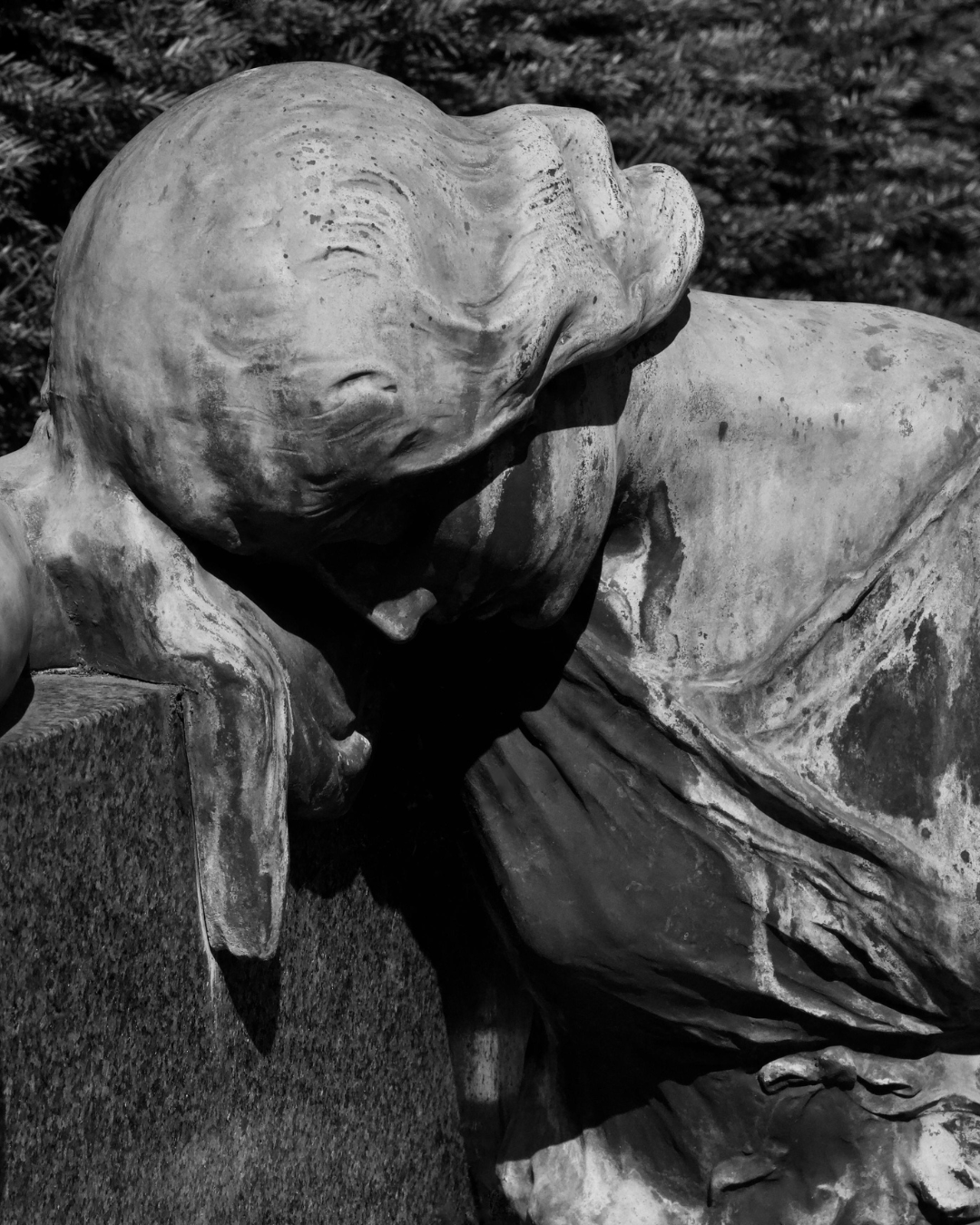
My stories tend to live in uncomfortable places: grief, guilt, obsession, complicated love, family wounds, morality, and the things people become when they are pushed beyond who they thought they were. Whether I am writing gothic psychological fiction, dark romance, or poetry, I am drawn to flawed characters and emotional situations without easy answers.
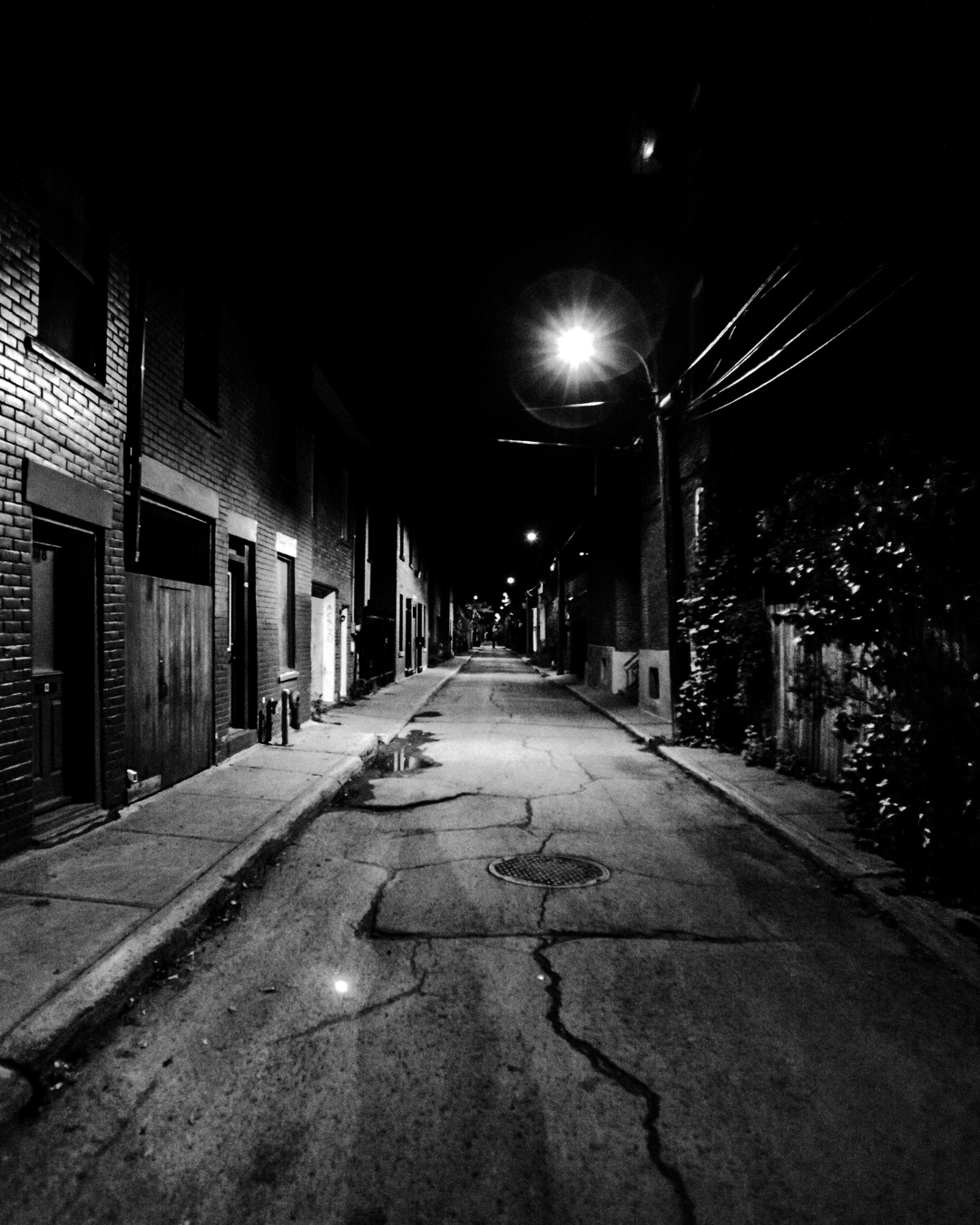
Atmosphere is also central to my work. Houses can grieve, snow can become suffocating, gardens can hide something rotten beneath something beautiful. Setting, imagery, and recurring motifs are not simply backgrounds in my stories; they are characters in their own right, shaping the emotional landscape and deepening the reader's experience.
Find the story that follows you home
As you explore my published works, I want you to see range without feeling like the books are disconnected. My writing moves through gothic psychological fiction, dark romance, and poetry, but the common thread is emotionally complicated characters, atmospheric storytelling, uncomfortable questions, and an interest in the darker corners of being human.
Ideally, readers should feel curious. I want you to look across the different books and recognize a distinct voice while also feeling that each one offers a different experience. Someone who discovers me through one story should be tempted to explore another, even if it belongs to a different genre.
The next step is simple: learn more about whichever book catches your attention and, when available, follow a clear link to purchase it. This page is an invitation to wander through my work and choose the story that calls to you.
Published Works

The House of Mara: An Inheritance of Guilt and Ash | Gothic Psychological Fiction
Seven-year-old Mara arrives at her aunt Verity's isolated home carrying grief she doesn't yet know how to name. The house seems willing to name it for her.
It remembers another little girl. It listens from inside the walls. And when Mara begins hearing the voices she calls fairies, Verity is forced to confront a past she has spent years sealing behind locked doors, rigid rules, and silence.
As the boundary between grief and something far stranger begins to fracture, Mara becomes entangled in a history that was never truly buried. But the house does not simply haunt its inhabitants. It feeds on what they refuse to release.
The House of Mara is a gothic psychological novel about inherited grief, childhood loneliness, memory, and the terrible shapes love can take when holding on becomes more dangerous than letting go.
Core themes: Grief and the refusal to let go • Intergenerational trauma • Childhood loneliness • Guilt • Memory and repression • Love distorted by loss • Family and chosen connection • The danger of silence • Belief and perception • Healing through human connection
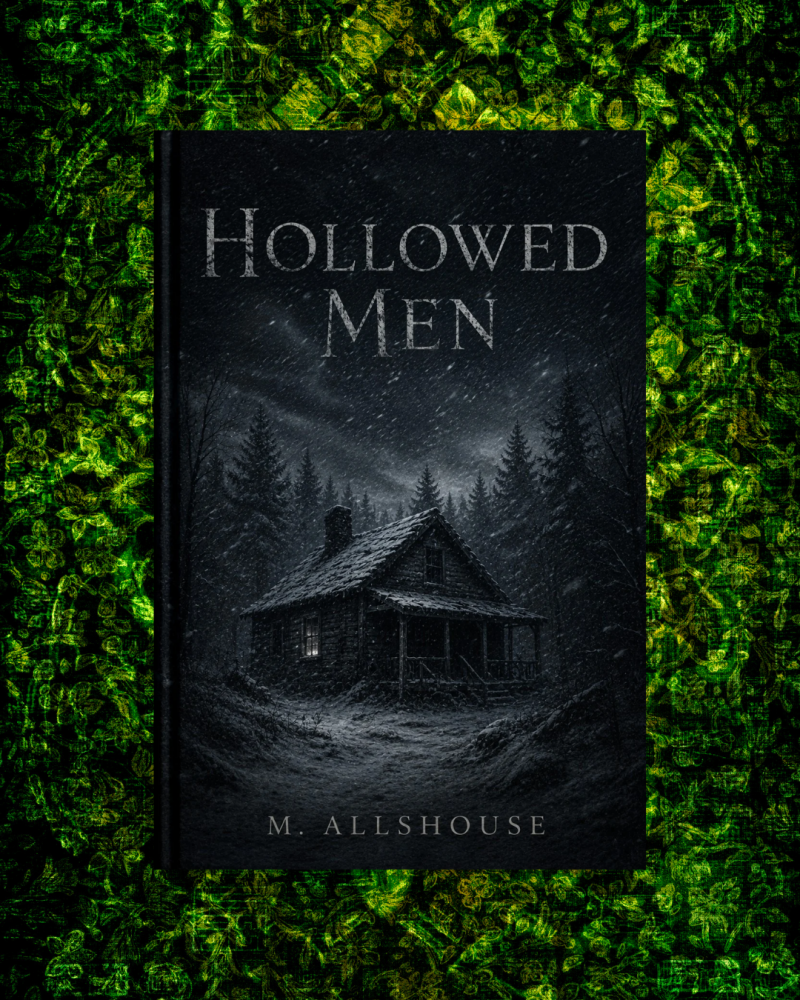
Hollowed Men | Gothic Psychological Thriller
Cole returns home carrying a family history that has never quite added up: an aging father whose mind is deteriorating, a brother who disappeared years ago, and a house filled with memories everyone learned not to disturb.
Then Cole's teenage son, Gavin, begins looking where the adults stopped looking.
Old journals and buried evidence expose cracks in the story of Connor's disappearance, while John's failing memory begins collapsing past and present into something increasingly dangerous. As a winter storm closes around the family, Cole realizes the truth may have been inside the house all along—and his son may now be standing exactly where Connor once stood.
Hollowed Men is a gothic psychological thriller about fathers and sons, inherited violence, buried family secrets, and what happens when memory begins surrendering the truths a family spent years trying to hide.
Core themes: Intergenerational trauma • Fatherhood and masculinity • Family violence • Memory and dementia • Secrets and complicity • Grief without closure • The repetition of abuse • Protecting one's children • Truth versus family mythology • Breaking generational cycles
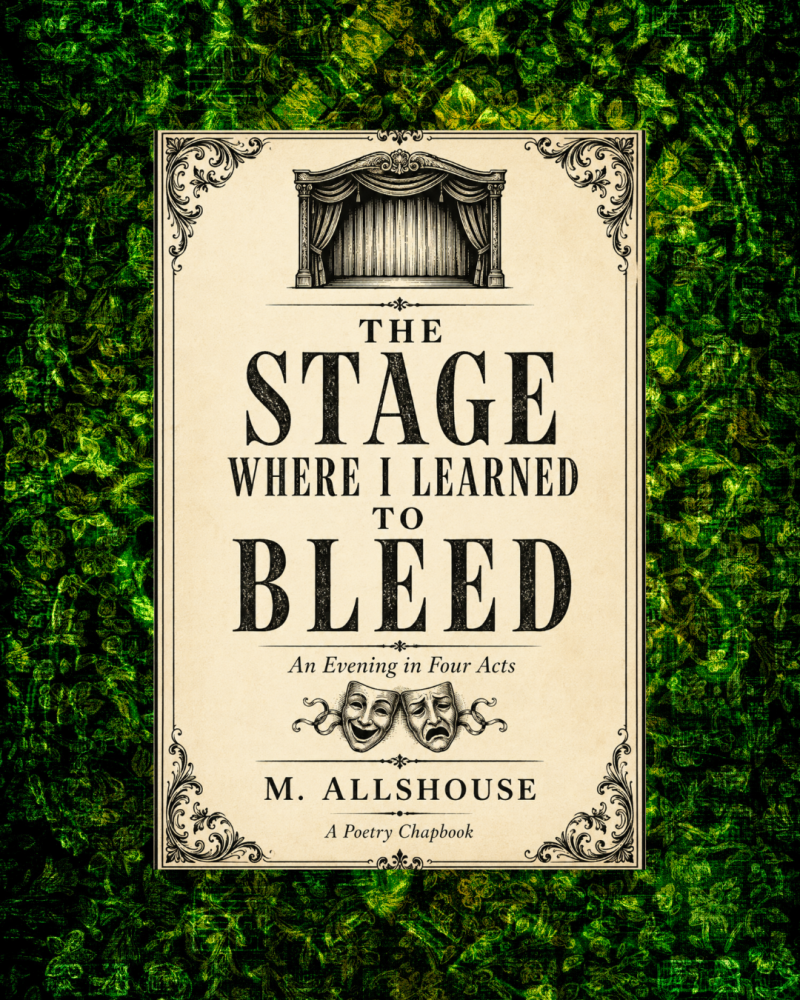
The Stage Where I Learned to Bleed | Poetry Chapbook / Confessional Poetry
What happens when survival becomes a role you've performed so long that you can no longer remember where the costume ends?
Structured as an evening in four acts, The Stage Where I Learned to Bleed traces a journey from learning the lines others expect, through performing pain for an audience, to the moment the script finally burns. Its poems move through masks, abuse, grief, identity, spiritual unrest, self-destruction, and the exhausting work of becoming acceptable enough to survive.
But the curtain does not fall on destruction.
What remains is a woman holding the pen.
This is a collection about recognizing the roles we were given, grieving the selves sacrificed to play them, and discovering that survival can eventually become authorship. Not healed. Not untouched. Simply no longer waiting for someone else to write the ending.
Core themes: Performance and authenticity • Survival as adaptation • Emotional and physical abuse • Identity and self-erasure • Masks and imposed roles • Trauma • Spiritual and religious unrest • Grief • Self-destruction • Rebellion • Reclamation of voice • Creative expression as survival • Agency • Becoming the author of one's own life
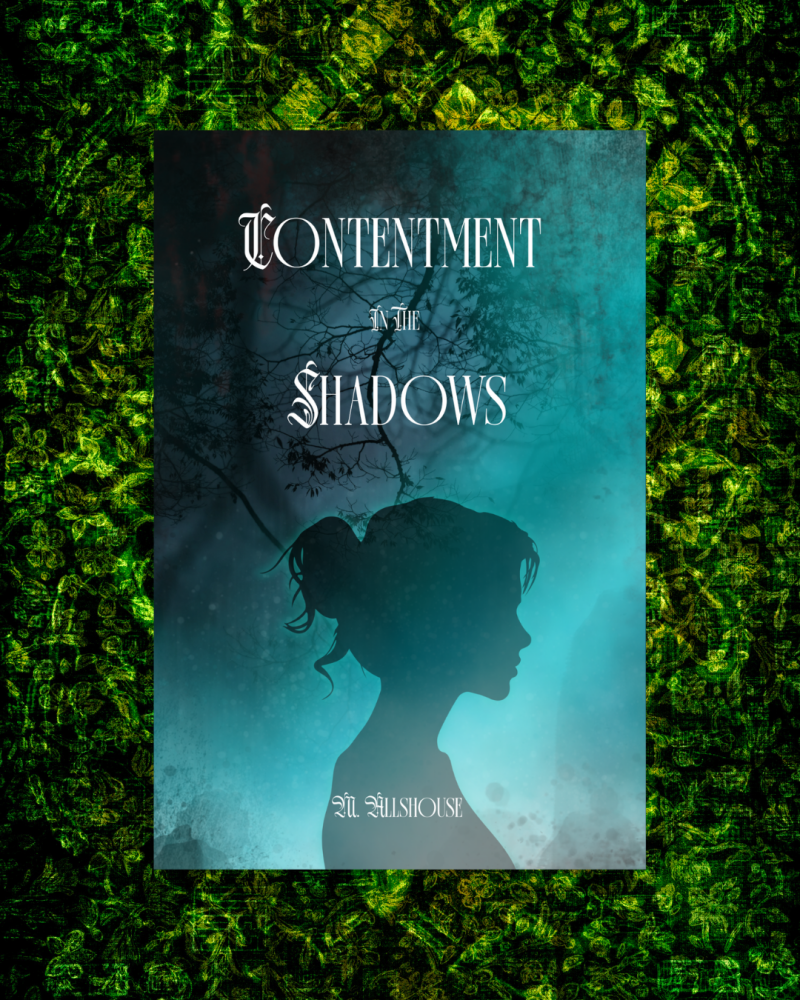
Contentment in the Shadows | Confessional Poetry Collection
Contentment in the Shadows does not ask pain to become beautiful before it is allowed onto the page.
These poems sit beside grief, longing, betrayal, desire, loneliness, trauma, self-hatred, and the complicated ache of loving people who leave wounds behind. Through graves, drowning, fire, ghosts, decaying flowers, empty rooms, and bodies made into metaphors, the collection gives emotional pain a physical shape—something that can be examined even when it cannot be neatly resolved.
Yet darkness is not the same thing as surrender. Threaded through the collection are moments of connection, desire, survival, self-recognition, and the stubborn possibility of hope.
Part confession and part reckoning, Contentment in the Shadows is less interested in overcoming pain than understanding it: sitting beside what hurts long enough to call it by name and offering those echoes to anyone who recognizes their own shadow in them.
Core themes: Grief • Longing • Romantic betrayal • Abandonment • Trauma • Self-worth and self-hatred • Mental-health distress • Desire and attachment • Loneliness and alienation • Emotional abuse • Survival • Memory • Identity • Hope within darkness • The need to be understood

Gospel of a Falling Star | A Hybrid Poetry Chapbook
Some people do not enter our lives quietly. They arrive like celestial events—brilliant enough to become religion, destructive enough to alter the landscape after they are gone.
Gospel of a Falling Star traces the arc of a connection that begins with loneliness so profound it feels extraterrestrial. The speaker has spent a lifetime searching for someone who can understand the private language of her soul—until another person appears and, for a moment, seems to become the translator she believed did not exist.
What begins as recognition quickly becomes worship. Across poetry and lyrical prose, love is rendered through colliding galaxies, meteor showers, altars, false gods, scripture, fire, drowning, and prayer. Desire becomes devotion; intimacy becomes proof of something divine. But the closer the speaker comes to making another person sacred, the more difficult it becomes to distinguish love from dependence, revelation from projection, and salvation from the need to be saved.
As distance and silence enter the relationship, the chapbook turns toward the wreckage left behind. The question is no longer simply how to survive losing someone, but what happens when the person who seemed to finally understand you becomes another absence—and when the language you built together no longer has anyone to receive it.
Part confession, part elegy, and part spiritual autopsy, Gospel of a Falling Star is a record of alienation, recognition, worship, unraveling, and the quiet that follows when the object of devotion disappears. It does not reduce the relationship to either miracle or mistake. Instead, it asks what remains after we survive the people we once mistook for proof that the universe had finally answered us.
Core themes: Alienation and belonging · Being understood · Obsessive attachment · Romantic idealization · Worship and idolatry · Religious imagery and spiritual disillusionment · Desire and sexuality · Dependency · Abandonment · Silence · Grief · Projection and self-deception · Identity · Cosmic imagery · Rupture · Acceptance without clean resolution
Create Your Own Website With Webador